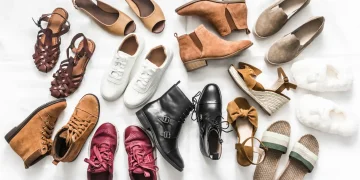
In shoe making, many people look at design, sole, fabric, leather, and comfort. But one small thing also matters a lot. That is sewing machine thread. If thread is not right, the shoe can start opening early. Stitches may break. Side part may come out. Toe area can get loose. Then the full shoe looks bad and also works bad.
Seam failure in shoes is a very common problem in footwear making. It can happen in sports shoes, school shoes, safety shoes, fashion shoes, and even sandals. When seams fail, product life becomes less. Customer gets unhappy. Returns can increase. Brand image also gets affected. So it is very important to stop this issue from the start.
Seam failure means the stitched part of the shoe is not holding properly. Sometimes the thread breaks. Sometimes the material tears near the seam. In some cases, stitches become loose after some use. In other cases, seam starts opening because the thread could not take pressure. This problem may look small in factory, but after market use it becomes a big issue.
Table of Contents
You Might Also Like


Shoes undergo a lot of stress daily. All this movement puts pressure on stitched areas. Toe bend area, vamp, quarter, tongue joint, heel counter side, and upper to sole joining area all face stress. If the thread is weak, the seam cannot stay strong for long time.
One big reason for seam failure is wrong thread selection. Many manufacturers choose thread only by price. This can create trouble later. Cheap thread may save little money in the beginning, but it can cause damage in production and after sales too. Good footwear needs thread that is strong, smooth, flexible, and durable.
Thread strength is very important. Shoe seams need to hold different parts together tightly. If tensile strength is low, thread may snap during stitching or during use. For this reason, many footwear makers use high strength polyester or bonded nylon sewing thread. These threads are known for better holding power. They can handle movement and pulling better than weak ordinary thread.
Bonded thread is often a very useful solution in footwear stitching. It has a special coating on the surface. Because of this, thread moves smoothly in machine. It makes less friction. It also gives less fraying and less breakage. In shoe factories, this helps in getting neat stitches and strong seams. Bonded thread also performs well in fast production lines where machines run for long hours.
Another important thing is thread flexibility. Shoes are not stiff products only. They keep moving with the foot. So thread should also move a little with the material. If thread is too hard, seam may crack or damage the upper material. If thread has good flexibility, it supports the natural bending of the shoe. This is very useful in casual shoes and sports footwear.
Abrasion resistance is also a key point. In shoes, stitched parts may rub again and again against surface, movement, or inside pressure. If thread surface gets damaged fast, the seam may become weak. Technical threads with better abrasion resistance stay strong for a longer time. This helps in improving the life of the shoe.
Heat resistance also matters during production. High speed sewing machines create heat from needle movement. If thread cannot handle this heat, it may weaken or melt slightly. Then seam strength goes down. Good technical thread is made to perform better under machine heat. This reduces breakage and improves stitch quality.
Thread size should also match the shoe design and material. If thread is too thin, it may not carry load properly. If it is too thick, it can damage the material or make ugly stitches. For heavy shoes, stronger and slightly thicker thread may be needed. For light fashion shoes, balanced thread size gives both beauty and strength. So right matching is very important.
Needle and thread combination must be correct too. Sometimes seam failure does not come only from thread. It comes from wrong sewing setup. If needle is too sharp or too thick, it can cut the material. If needle eye is not suitable, thread may get damaged. When thread, needle, machine tension, and stitch density all work properly together, seam performance becomes much better.
Stitch density is another thing that should not be ignored. Too many stitches in one inch can weaken some materials because too many holes are made. Too few stitches can make seam loose. Balanced stitch count helps in keeping the seam strong without hurting the upper part of the shoe.
Moisture, dust, and outside weather can also affect shoe seams. Shoes are used in many rough conditions. Rain, mud, heat, and daily wear all test the stitching. So thread used in footwear should have good resistance to moisture and outside conditions. Polyester thread is often liked for this reason because it performs well in many regular environments.
Testing is a smart step before bulk production. Manufacturers should test seam strength, thread performance, and stitch quality on sample shoes. It is better to find the problem in trial stage than after full production. Seam slippage test, seam strength test, and wear trial can give useful idea about performance.
In the end, preventing seam failure in shoes is not about one thing only. It is about using the right thread, right stitch setting, right needle, and right sewing method. Technical thread solutions really work when they are chosen with care. Strong bonded thread, good flexibility, abrasion resistance, and proper machine setup all help in making shoes last better.
A strong shoe is not made only by nice upper and good sole. It is also held together by the small thread running through every seam. When that thread is right, the shoe stays strong, safe, and good looking for a long time. That is why smart footwear makers never take thread lightly.



![Is Tokyo Ghoul on Netflix? [How to Watch Online]](https://avctv.com/wp-content/uploads/2022/08/AAAABct1DaUzhEt4JeJFeDrmaE_4CGAu39fBN6poMx10hAlWlMRjkkAw84hjmuujWTy2wFC7_Pjnujec-_PqT1GCnnMFMJ15S04baJn1b0WvvbG6hrSNb31_GS4--120x86.jpg)